Designing the human layer of Singapore's first autonomous eldercare robot
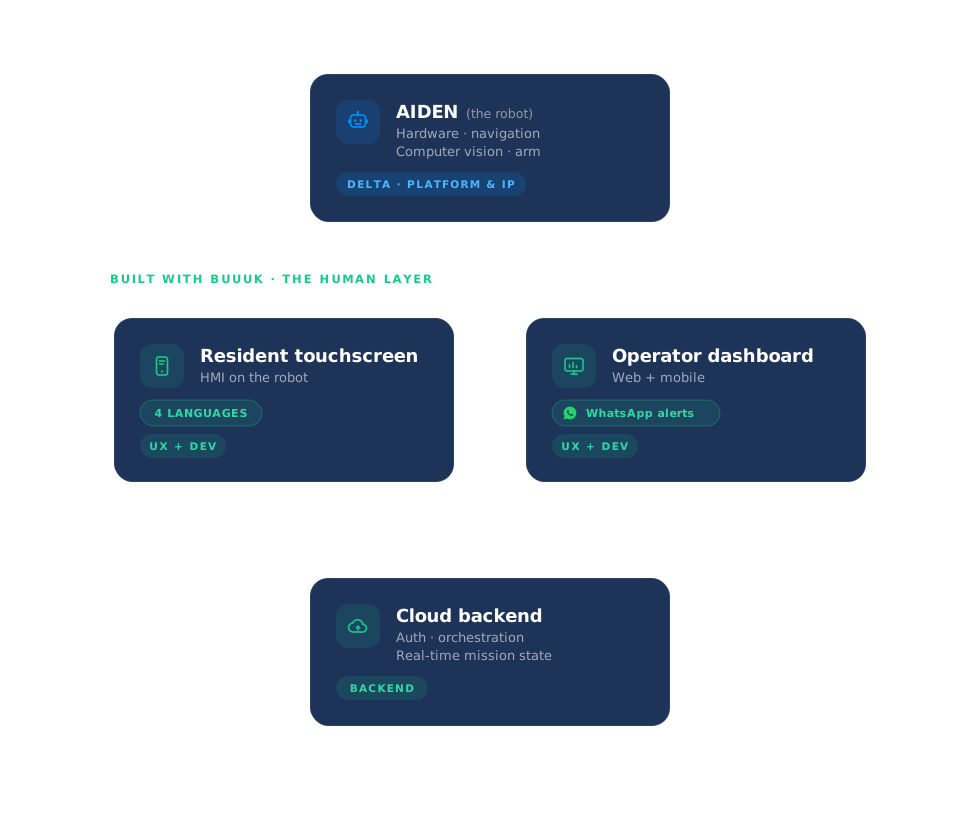
Delta built the robot and owns the platform. As their development and UX partner on the initial deployment, we built the human layer: the touchscreen a senior has to trust at her door, the dashboard that gives caregivers their hours back, and the cloud that keeps the two in sync. Designed to work inside an already-stretched eldercare system, not pile on top of it.

Client
Delta Electronics
Deliverables
Resident touchscreen, Operator dashboard, Cloud backend, UX research
Period
2023 – Ongoing

By 2030, one in four Singaporeans will be over 65, and there won't be enough hands to care for them all.
Most will age at home, in HDB flats built decades before service robots existed. Plenty of countries have companion bots; none of them actually ride a public-housing lift and carry a meal to a senior's door.

Caregivers stretched thin
Too much ground to cover, too few hands to cover it, and the gap widens every year.

Seniors aging alone
More live by themselves, with no one checking daily that they're safe and well.

Hours lost to logistics
Carers spend their limited time delivering meals and medication instead of being with people.
Autonomous Intelligence for Delivery and Engagement
AIDEN is designed to fit the buildings that already exist.
The underlying question shaped every decision:
Can a 75-year-old who has never used a touchscreen open her door to a robot and walk away feeling looked after?

Familiar, not robotic
A person on screen demonstrates each step, so it feels like guidance, not instruction.

A sound before every word
A chime lands a beat before AIDEN speaks, voice matched to on-screen text.

One thing at a time
Each screen stripped to a single action.
STUCK Studio spent a year conducting ethnographic fieldwork in HDB blocks
and service corridors. Four findings shaped everything that followed, and we
translated each into a design rule before drawing a single screen.
Every interaction designed for a senior who has never used a touchscreen
Big targets, slow speech, audio cues before words, four languages, one question on screen at a time
The three moments we designed for
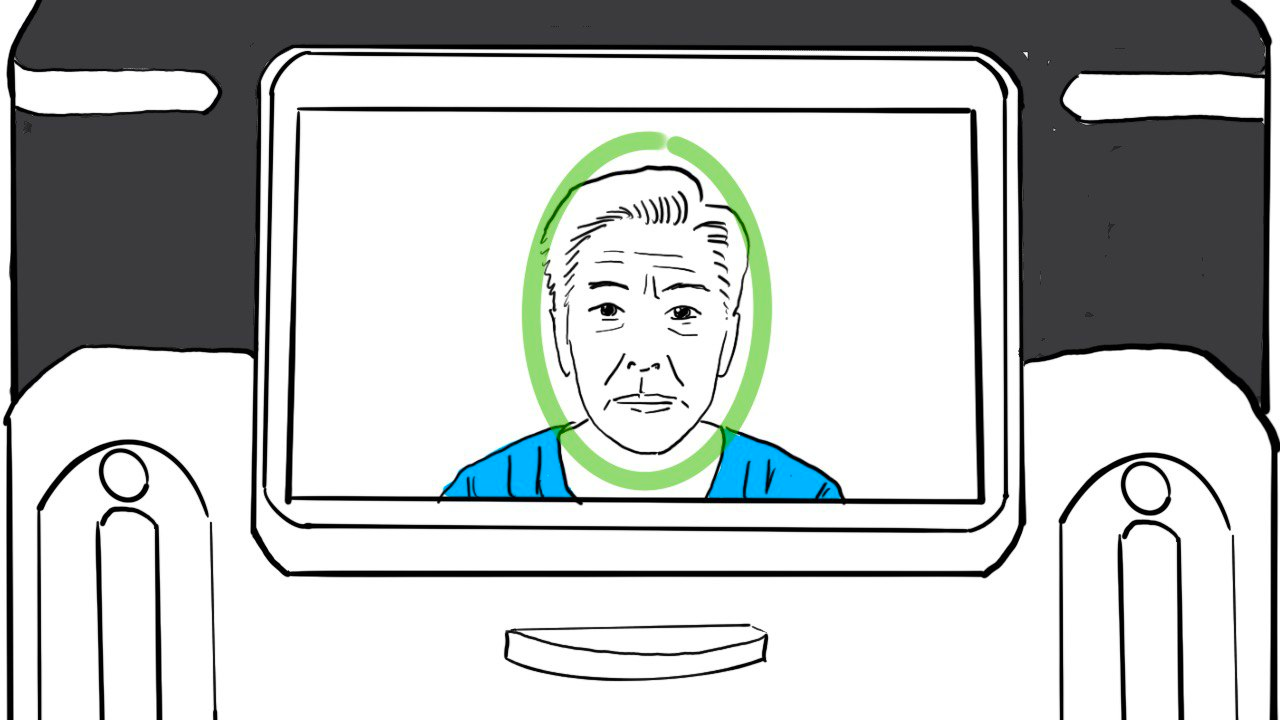

Recognising the resident at the door.
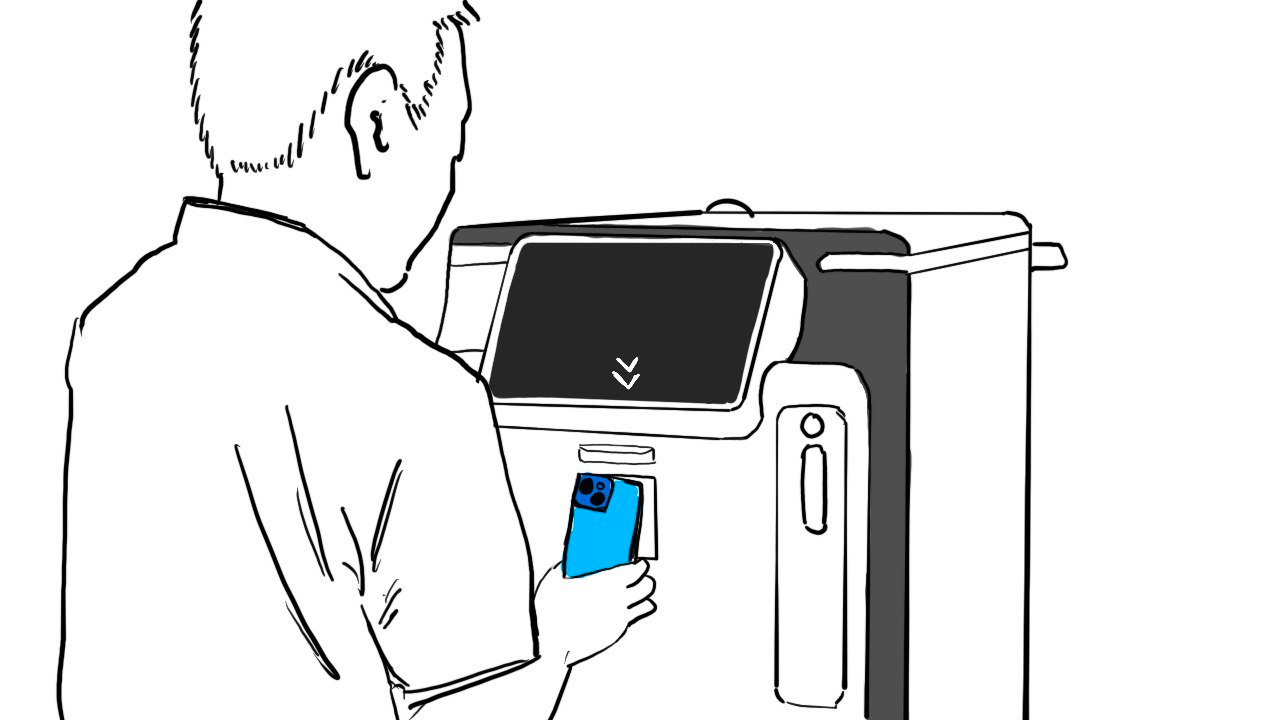
Tap to authenticate.
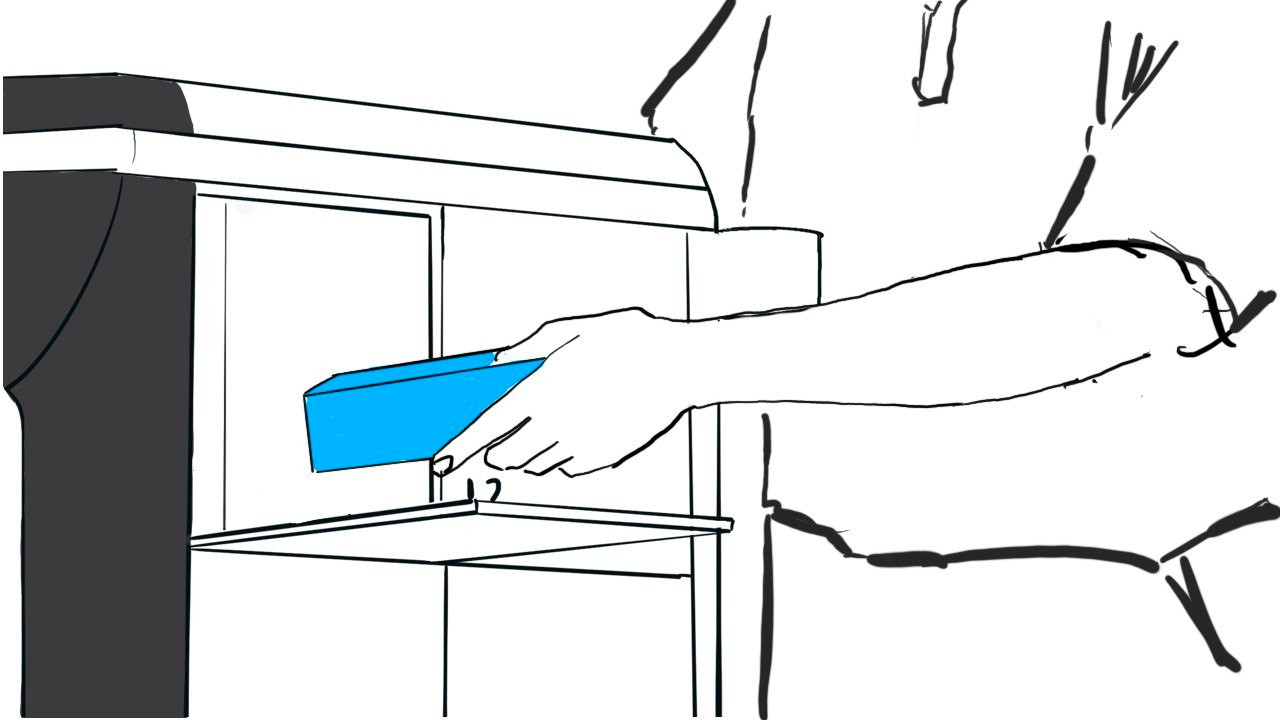
Collecting the delivery.
The face
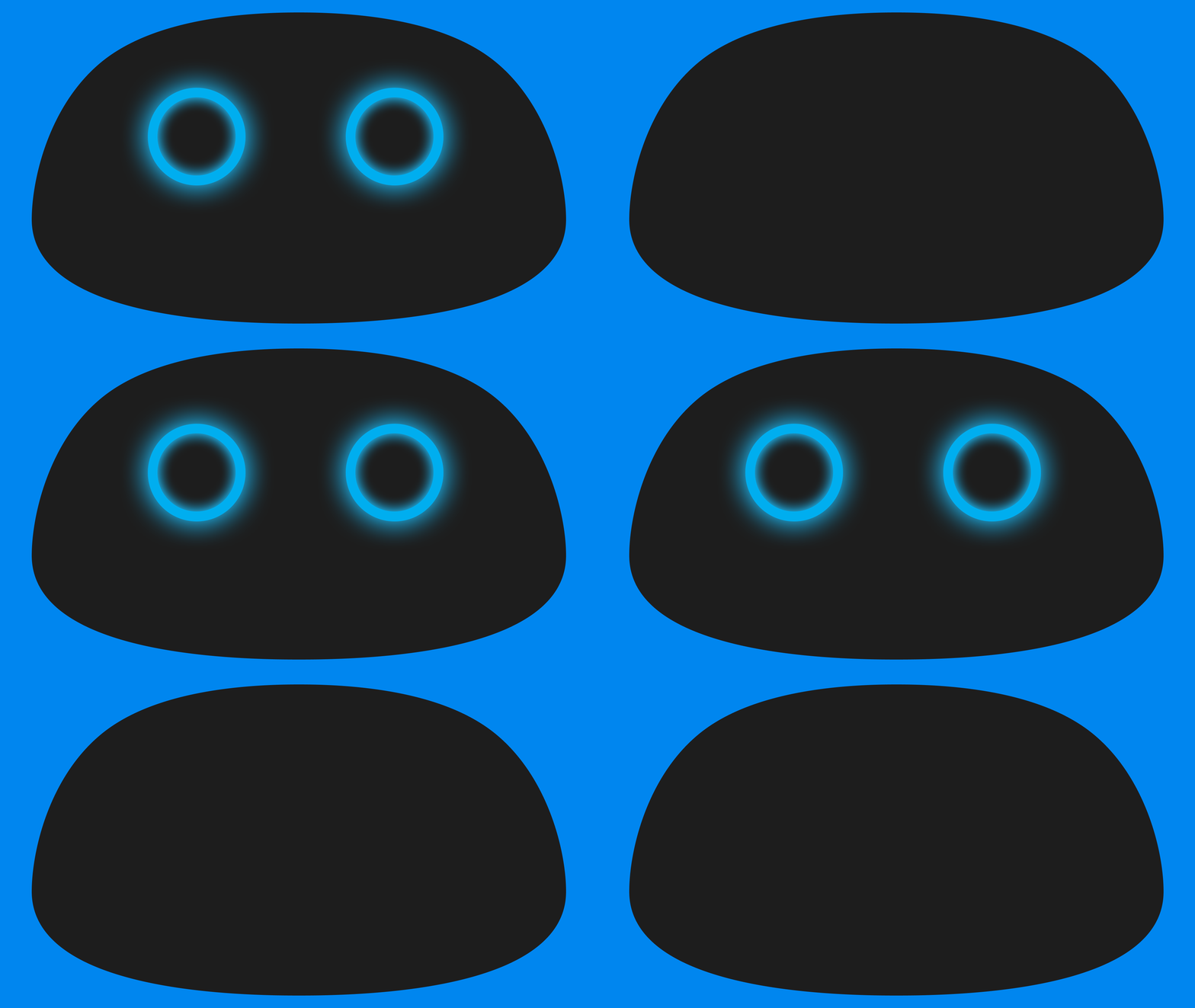

Alert
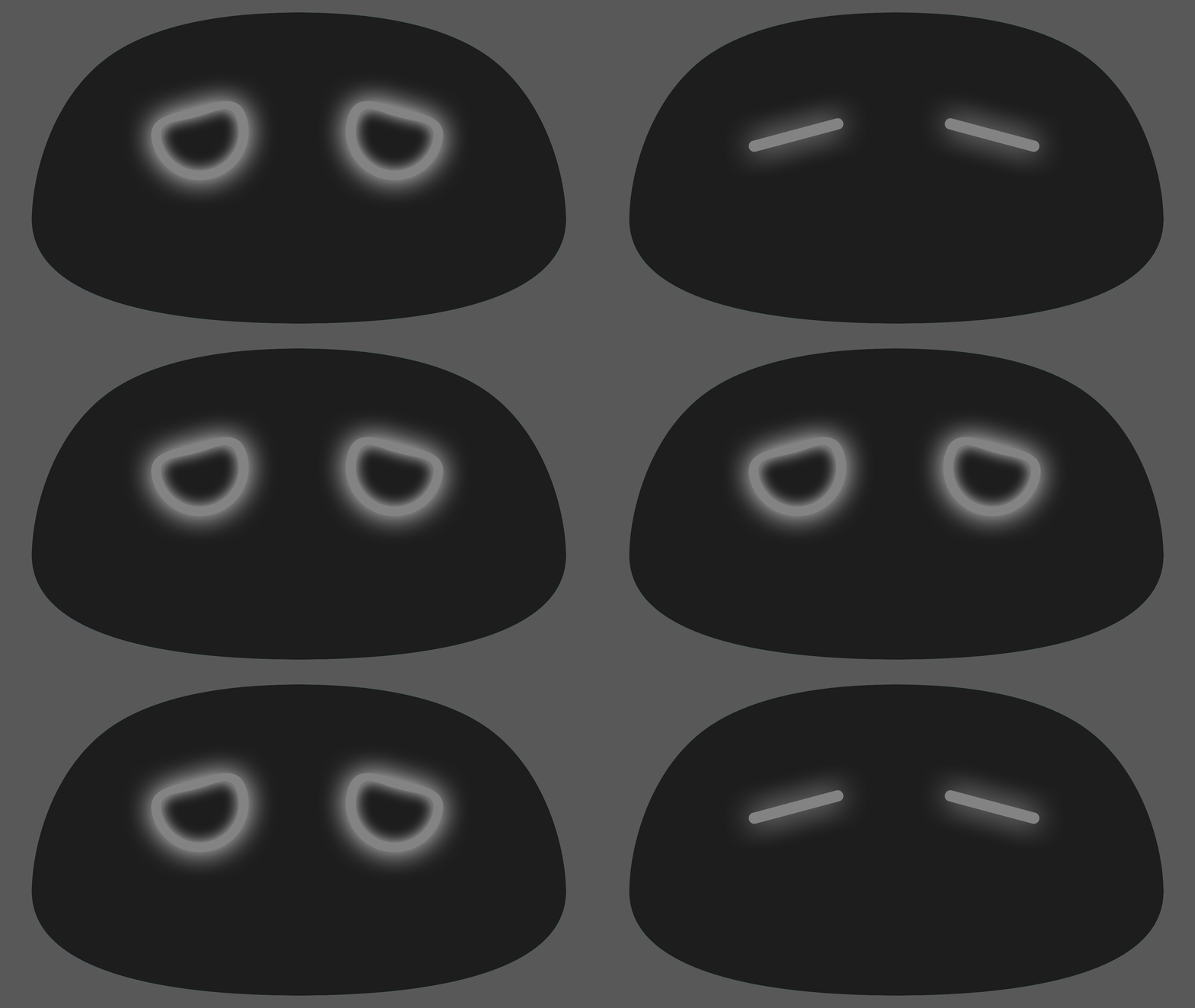
At Rest
The screens
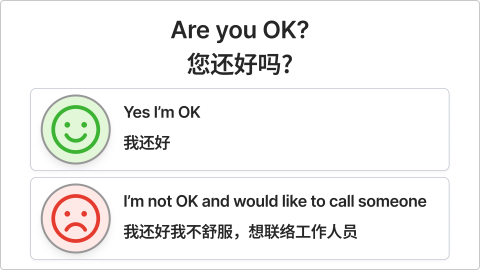

Wellness check, bilingual, binary affordance.
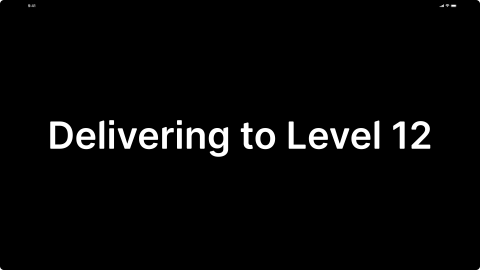
Mission state, visible from a distance.
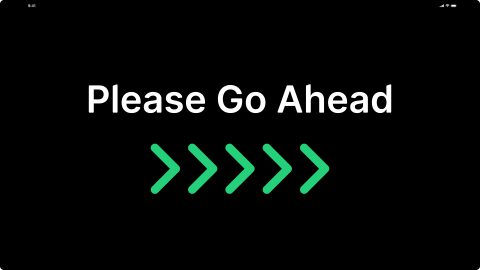
Corridor cue for co-passengers.
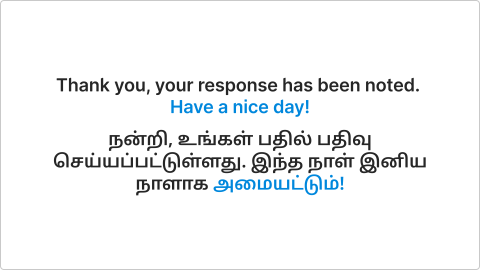
Every farewell in the resident's own language — English, Mandarin, Malay, or Tamil.
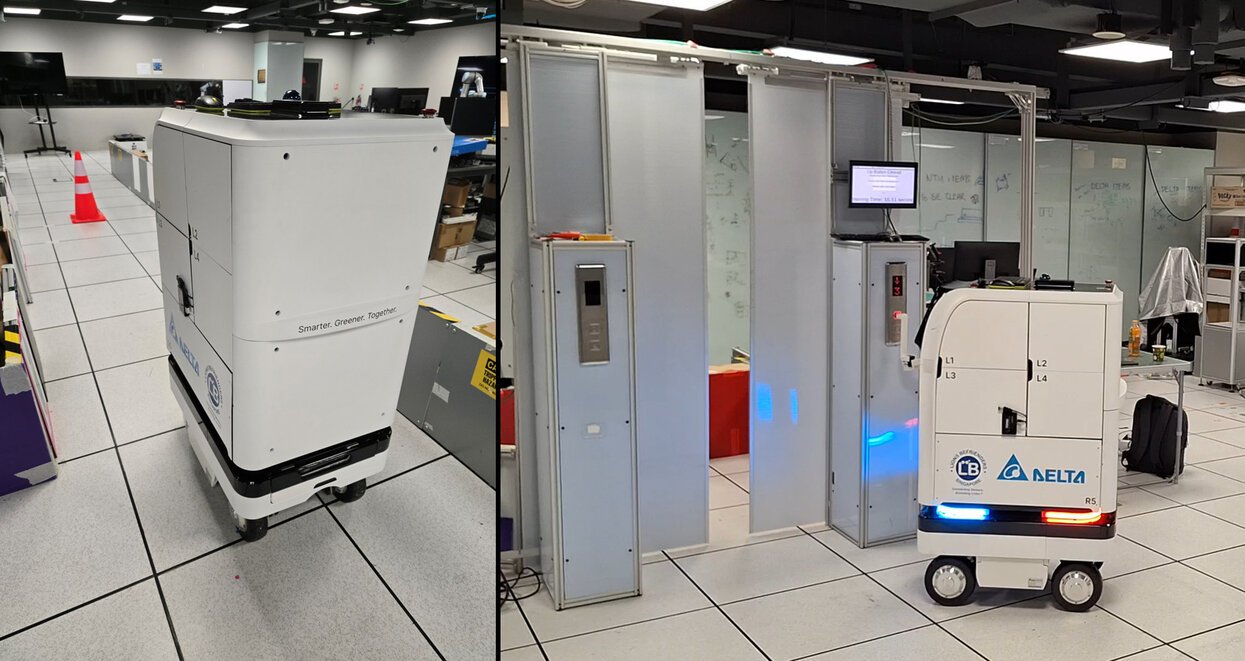
AIDEN in the field: navigating a live HDB block during deployment.
The operator dashboard
Give caregivers their hours back, not one more thing to manage.
AIDEN exists to take the hours caregivers lose pushing meal trolleys and hand
them back as time with the people in their care. A dashboard that needed
babysitting would defeat the point. So it fits the way caregivers actually
work: never at a desk, but on rounds, on the phone, sitting with a resident.
Alerts arrive on WhatsApp, everything is mobile-first, and AIDEN stays one
quiet tool serving work that was already full.
"At Delta, we believe technology should serve as an enabler of safer, smarter, and more sustainable societies. AIDEN reflects our commitment to advancing AI-powered intelligence and next-generation surveillance solutions that help organizations make better decisions, strengthen operational resilience, and create meaningful impact for the communities they serve, while supporting Singapore's Smart Nation ambitions."
- Delta Electronics
Where AIDEN stands today: operational across three residential blocks, recognised at iF Design 2024 and Computex
AIDEN has been operational in Singapore since 2023, expanding from its first pilot block to three residential blocks today. At the original pilot site, the eldercare partner reported an average of 44 hours per month saved in delivery labour, time redirected to activities the robot cannot do, like befriending and photo reminiscence therapy with residents at risk of dementia onset.
With the deployment of AIDEN AMR, we saved an average of 44 hours per month. With the time carved out, LB staff could now have more face time engaging the elderly, befriending them.
Months into the deployment, Delta's research team noticed something the metrics couldn't capture. The same residents who had at first stepped warily around AIDEN in their corridors had started introducing it to their visiting friends. That, more than any number, is what the research was for.
The AIDEN platform and its underlying IP belong to Delta Electronics. Buuuk joined as development and UX partner during the initial deployment, building the resident touchscreen, the operator dashboard, and the cloud backend that connects them.